Bathroom Tile: Styles, Tips, and Installation
Date
2026-01-09 20:01:52
Category
Bathroom
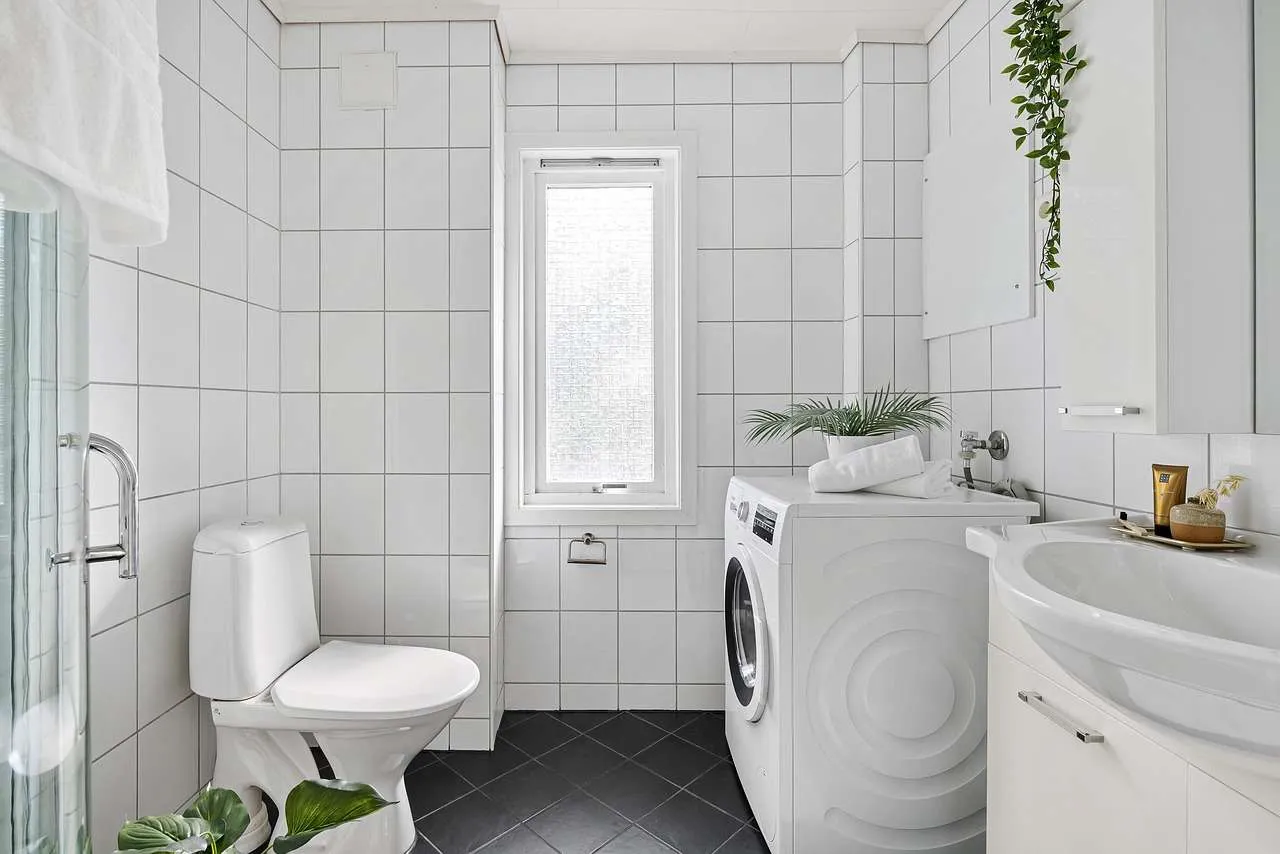
Choosing the right bathroom tile is foundational to a space that is both durable and beautiful. From moisture resistance to style, the right bathroom tile sets the tone for daily routines and resale value. This guide covers common tile types, installation considerations, maintenance tips, and design ideas to help you decide with confidence.
Understanding bathroom tile options
There are several material families to consider for bathroom tile. Each has different performance, price, and look. Understanding the basics helps you balance aesthetics with practicality, which is a key part of EEAT—demonstrating expertise, trust, and authority in your design decisions.
Ceramic Tile
Ceramic tiles are an affordable, widely available option that is easy to cut and install. They are usually glazed, available in a vast range of colors and patterns, and suitable for walls and low-traffic floors. For bathrooms with heavy moisture, ensure you choose a glaze rated for wet areas and maintain grout lines with regular cleaning to prevent staining.
Porcelain Tile
Porcelain is a dense type of ceramic with very low water absorption. It performs exceptionally well on bathroom floors and in showers, resisting wear and moisture. While more expensive and slightly harder to cut, porcelain tiles provide a longer-lasting, uniform appearance, making them a popular choice for modern bathrooms.
Natural Stone
Marble, travertine, slate, and other natural stones offer luxury and unique veining. They require more maintenance, including sealing and regular upkeep, and can be sensitive to acids and certain cleaners. With proper sealing and care, natural stone can create a high-end, spa-like feel for walls or floors.
Glass and Metal Tiles
Glass tiles reflect light and can brighten a small bathroom or a dark shower stall. Metal tiles add texture and shimmer but can be prone to fingerprints and higher costs. Both require compatible adhesives and thorough waterproofing, especially in wet zones.
Size, pattern, and layout
Tile size influences perceived space and maintenance. Large-format tiles reduce grout lines and can make bathrooms feel bigger, while smaller mosaics offer grip on shower floors and decorative potential in niches. Pattern ideas include herringbone, checkerboard, stacked, and random layouts to suit different design aesthetics.
Installation considerations
Wet areas demand careful prep and waterproofing. Start with a solid substrate such as cement backer board or a membrane system designed for showers. Use a quality thinset mortar appropriate for your tile type and ensure proper slope toward drains. Grout choice matters—epoxy grout offers excellent stain resistance in damp spaces, while cementitious grout with sealing is common for residential baths. In most jurisdictions, a licensed tile setter helps ensure compliance with local codes and guarantees proper adhesion and leak protection.
Maintenance and care
Maintenance varies by tile material. Porcelain and glazed ceramic are relatively low-maintenance; seal porous stone and cement grout to protect against moisture and stains. Clean with a pH-neutral cleaner to protect glaze and color, and wipe excess moisture from walls and countertops. Periodic resealing of natural stone and grout extends tile life and preserves appearance.
Design tips and trends
Pair neutral tiles with bold accents, or use colored grout for a contemporary twist. Warm-toned tiles create a cozy, inviting vibe, while cool neutrals read clean and spa-like. Consider slip resistance ratings for floor tiles—look for a dynamic coefficient of friction (DCOF) rating suitable for wet areas. Matte finishes reduce glare and show fewer water spots, while glossy finishes can enhance a small space with light reflection.
Costs and planning
Tile costs vary widely—from affordable ceramic to premium natural stone. When budgeting, include substrate preparation, waterproofing, adhesives, grout, sealing, and labor. Hidden costs such as waste, cutting, and removal of old tile should also be anticipated. A well-planned budget combines aesthetics with durability, reducing future maintenance expenses and the need for early replacement.
Comparison at a glance
| Tile Type | Pros | Cons | Maintenance | Typical Cost |
|---|---|---|---|---|
| Ceramic | Affordable; wide pattern range; good for walls | Less durable on floors; glazes can chip | Low to moderate; grout care required | Low |
| Porcelain | Highly durable; excellent water resistance | More expensive; harder to cut | Low; stain-resistant | Moderate |
| Natural Stone | Unique beauty; premium look | Requires sealing; maintenance dependent | Moderate to high; periodic sealing | Moderate to high |
| Glass | Brightens space; modern feel | Slippery when wet; higher cost | Low to moderate; streak-prone if not wiped | Moderate to high |
| Mosaic | Pattern versatility; ideal for showers | Grout maintenance can be challenging | Moderate; regular cleaning needed | Moderate |
Note: The best choice depends on location (walls vs floors), traffic, and maintenance willingness. For bathrooms, prioritize slip resistance and moisture management. Professional guidance ensures correct waterproofing and long-term performance.
Conclusion, or final reminder: Professional installation and high-quality materials extend the life of bathroom tile, while thoughtful design choices ensure a timeless look. Align your tile selection with lifestyle, budget, and care capacity to achieve a durable, stylish bathroom.
Summary: The key to successful bathroom tile is selecting the right material for your space, planning waterproofing, and pairing aesthetics with practical maintenance. By understanding tile types, layout options, and care routines, you can achieve a durable, stylish bathroom that stands up to moisture and daily use.
Related Articles
Small Bathroom Ideas: Smart Space Solutions
Read More >
Bathroom Decor: Elevate Your Space with Style
Read More >
Bathroom Decor Ideas: Stylish & Practical
Read More >