EPDM Roofing: Durable Rubber Membrane Guide
Date
2026-01-09 20:06:16
Category
Roof
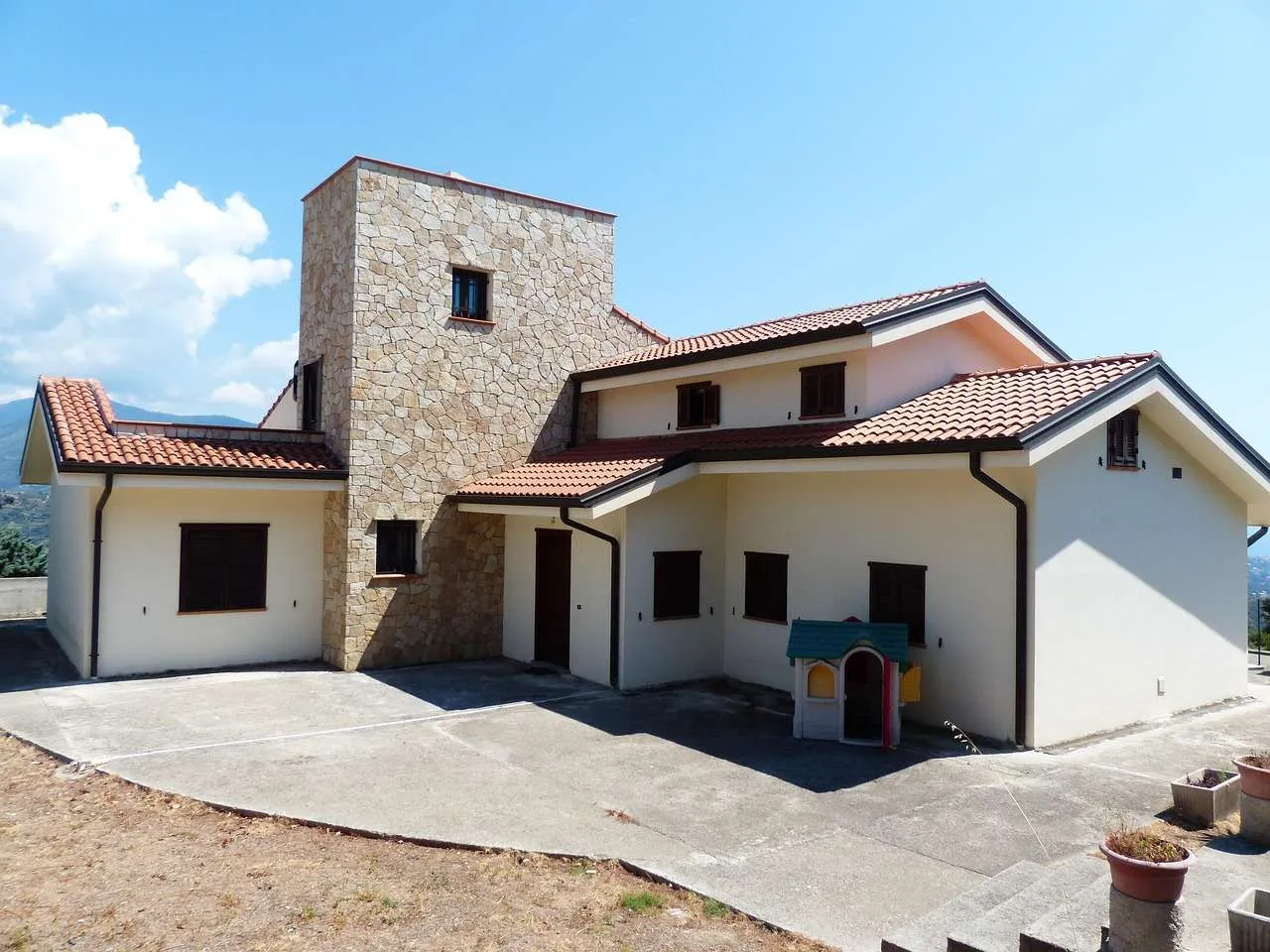
EPDM roofing is a dependable choice for flat and low-slope roofs. Made from ethylene propylene diene monomer rubber, EPDM membranes are known for flexibility, weather resistance, and long service life. In practice, EPDM is installed as large sheets that seal the roof and protect against water intrusion while remaining resilient to temperature changes.
What is EPDM Roofing?
EPDM stands for ethylene propylene diene monomer. It is a durable synthetic rubber membrane used on many commercial and residential flat roofs. Available in black and white editions, EPDM can be 45 to 90 mils thick and is installed as sheets or rolls. Black EPDM tends to be more cost effective, while white EPDM is preferred in hot climates for its reflective properties and heat resistance.
Types and Installation Options
Manufacturing Formats
EPDM comes in several installation formats. Fully adhered systems bond the membrane to the substrate with a compatible adhesive; mechanically attached systems fasten the membrane to the deck with plates and screws; self adhered sheets use a pressure sensitive adhesive; ballasted systems rely on ballast such as gravel or pavers to hold the membrane in place. The method chosen depends on climate, roof design, and contractor preference.
Common Roof Substrates
EPDM adheres well to wood decks, concrete, metal, and existing roofing substrates when properly prepared. The deck should be clean and dry, with seams overlapped and flashings installed around penetrations. Proper edge detailing is essential to prevent wind uplift and water intrusion.
Benefits and Drawbacks
- Benefits include excellent waterproofing, high elasticity to accommodate movement, good cold weather performance, easy patch repairs, and competitive ongoing costs.
- Drawbacks include potential UV sensitivity for some EPDM colors if not properly protected, limited color options, and the need for skilled installation to ensure seams and flashings hold up over time.
Cost, Lifespan, and Maintenance
Installed EPDM costs typically range from a few dollars per square foot depending on thickness, method, and region. Expect to pay more for fully adhered or white reflective membranes and less for simple black sheets. Lifespan is often 25 to 30 years for black EPDM and 30 to 50 years for white or enhanced variants, provided regular maintenance is performed. To maximize life, inspect seams and flashings annually, remove debris, and address ponding water promptly.
EPDM vs Alternatives
| Material | Type | Pros | Cons | Lifespan | Installed Cost per sq ft |
|---|---|---|---|---|---|
| EPDM Roofing | Synthetic rubber membrane | Durable, flexible, good weather resistance | Color options limited, edge detailing critical | 25-30 years black; 30-50 years white | 4-8 |
| TPO | Thermoplastic | Light color option, energy efficient | Puncture risk on some installs, variable long-term performance | 20-30 | 5-9 |
| PVC | Polyvinyl chloride | Excellent chemical resistance, durable | Higher cost, rigidity | 25-40 | 6-10 |
| Modified Bitumen | Asphalt-modified | Proven multi-layer protection | Heavier, slower installation | 15-30 | 4-7 |
| BUR | Built-Up Roof | Time-tested, robust protection | Heavy, labor intensive | 20-50 | 3-6 |
Choosing a Contractor for EPDM Roofing
When selecting a contractor, look for experience with EPDM installations, proper licensing and insurance, and references from local projects. Ask about warranty terms, including coverage for seams and reflective properties, and request a written project plan with a detailed scope, schedule, and drainage review. Ensure the crew will handle edge detailing, penetrations, and flashing with compatible sealants and adhesives. A qualified installer should also perform a deck inspection and confirm roof slope, drainage, and climate considerations.
Maintenance and Care Tips
Regular maintenance preserves EPDM performance. Schedule annual inspections, clean dirt and debris from seams, check for standing water and ponding, replace damaged flashings, and reseal joints as needed. Promptly repair any punctures or seam separations with compatible patch kits and adhesive. Consider applying a reflective coating on white EPDM to maintain energy efficiency in hot climates.
Conclusion
Conclusion, EPDM roofing provides durable, cost effective protection for flat roofs. With proper installation, quality materials, and regular maintenance, EPDM can last decades and offer dependable waterproofing between inspections. Choose the right installation method for your climate and work with a licensed contractor to secure a reliable warranty and long term performance.
Related Articles
Roofing and Roof Repairs: Expert Guide
Read More >
TPO Roofing: A Modern Guide to Performance
Read More >
Repair of Roofing: Expert Guide for Homeowners
Read More >