Home Window Tint: A Complete Guide to Benefits and Options
Date
2026-01-09 20:09:41
Category
Window
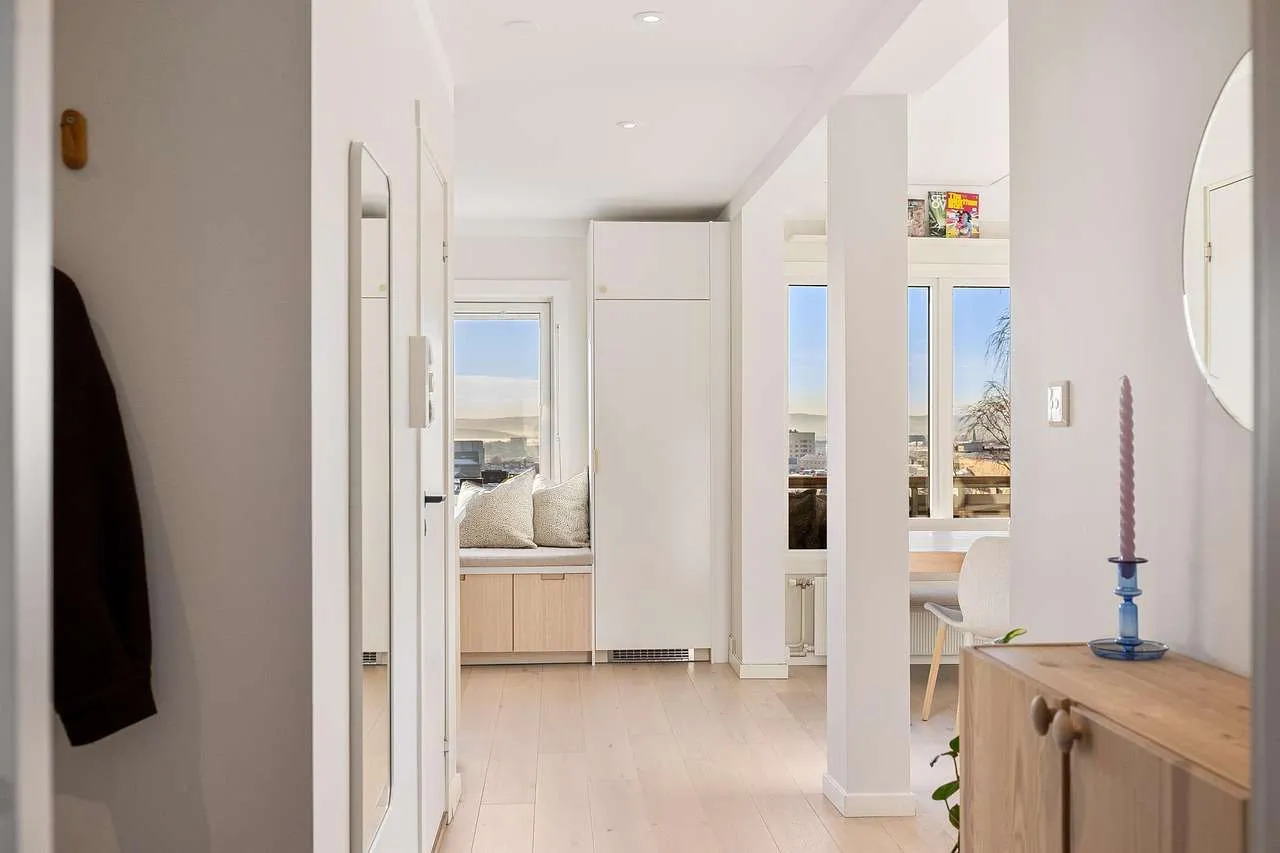
Home window tint is a thin film applied to glass that reduces heat, blocks harmful UV rays, and adds privacy. Modern films come in a range of shades and levels to suit both aesthetics and performance without sacrificing daylight.
What is home window tint?
In simple terms, it's a polyester film bonded to interior glass with a durable adhesive. The film's performance is measured by UV rejection and Visible Light Transmission (VLT). Most residential films block 99%+ of UV rays and adjust the amount of daylight that passes through. VLT indicates how much visible light the film allows; a higher VLT means a brighter interior, while a lower VLT increases privacy and heat control.
Types of window films
Dyed films
Dyed films are an economical option that adds color and reduces glare. They can fade in strong sun and may not offer the best heat rejection over time.
Metalized films
Metal particles reflect heat and provide good heat control but can interfere with electronics and reduce signal strength for mobile devices and remotes.
Ceramic films
Ceramic films are premium, non-conductive, and offer excellent heat rejection, strong UV protection, and minimal interference with devices. They maintain color and clarity longer.
Coated/Hybrid films
Hybrid or coated films combine dyes and metals or ceramics to balance cost, performance, and aesthetics while reducing some interference issues.
Benefits of home window tint
- UV protection: blocks nearly all UV rays to protect interiors and skin.
- Energy efficiency: reduces solar heat gain, easing cooling loads.
- Glare reduction: improves comfort for TVs and computer work.
- Privacy and safety: adds daytime privacy and film can hold shattered glass together.
Film type comparison
| Film Type | UV Rejection | Visible Light Transmission (VLT) | Durability | Best Use |
|---|---|---|---|---|
| Dyed | High | 35–60% | Moderate | Budget projects |
| Metalized | Very High | 25–50% | High | Strong heat control |
| Ceramic | Very High | 40–60% | Very High | All-around performance |
| Hybrid | Very High | 30–50% | High | Balanced option |
Choosing and installing
Decide whether to DIY or hire a professional. Local laws may limit tint darkness on street-facing windows and on vehicles, so check your area’s regulations before purchasing. A licensed installer can ensure proper glass preparation, film alignment, and warranty coverage. Good installers also help you select a shade that balances privacy with natural light for your rooms.
Cost and maintenance
Residential window tint costs typically range from $5 to $12 per square foot installed, depending on film type and window size. Whole-home projects often fall between $1,000 and $4,000, plus maintenance like gentle cleaning with non-ammonia cleaners. Over time, tint can contribute to energy savings by reducing cooling loads, and some warranties cover fading and peeling. Avoid abrasive methods that could scratch the film.
Comparison with alternatives
| Option | Privacy | Heat control | Light | Cost | Maintenance |
|---|---|---|---|---|---|
| Home window tint | Moderate to high | High | Variable | Moderate | Low to moderate |
| Blinds/Shades | High | Moderate | Controls light | Moderate to high | Moderate |
| Low-E coatings | High | Very high | Low | High | Low to moderate |
Usage tips and care
Follow manufacturer guidelines for cleaning—use mild soap and water or non-ammonia cleaners. Avoid abrasive tools. Use a microfiber cloth and non-ammonia cleaners to prevent film damage. For tinted panes, avoid pressure washers or harsh solvents that can lift edges. Professional installers often provide warranty coverage for a specified number of years and can replace sections if needed.
Summary: This guide covered what home window tint is, the main film types, benefits, how to choose and install, typical costs, and maintenance tips. By selecting the right film, homeowners can improve comfort, protect interiors, and comply with local regulations. Always rely on a licensed installer for best results and warranty protection.
Related Articles
Home Window Repair: Smart Fixes for Your Windows
Read More >
Window Tint for Home: A Complete Guide
Read More >
Home Window Repair Near Me: Find Local Pros
Read More >