Home Window Tinting: Save Energy and Comfort
Date
2026-01-09 20:07:03
Category
Window
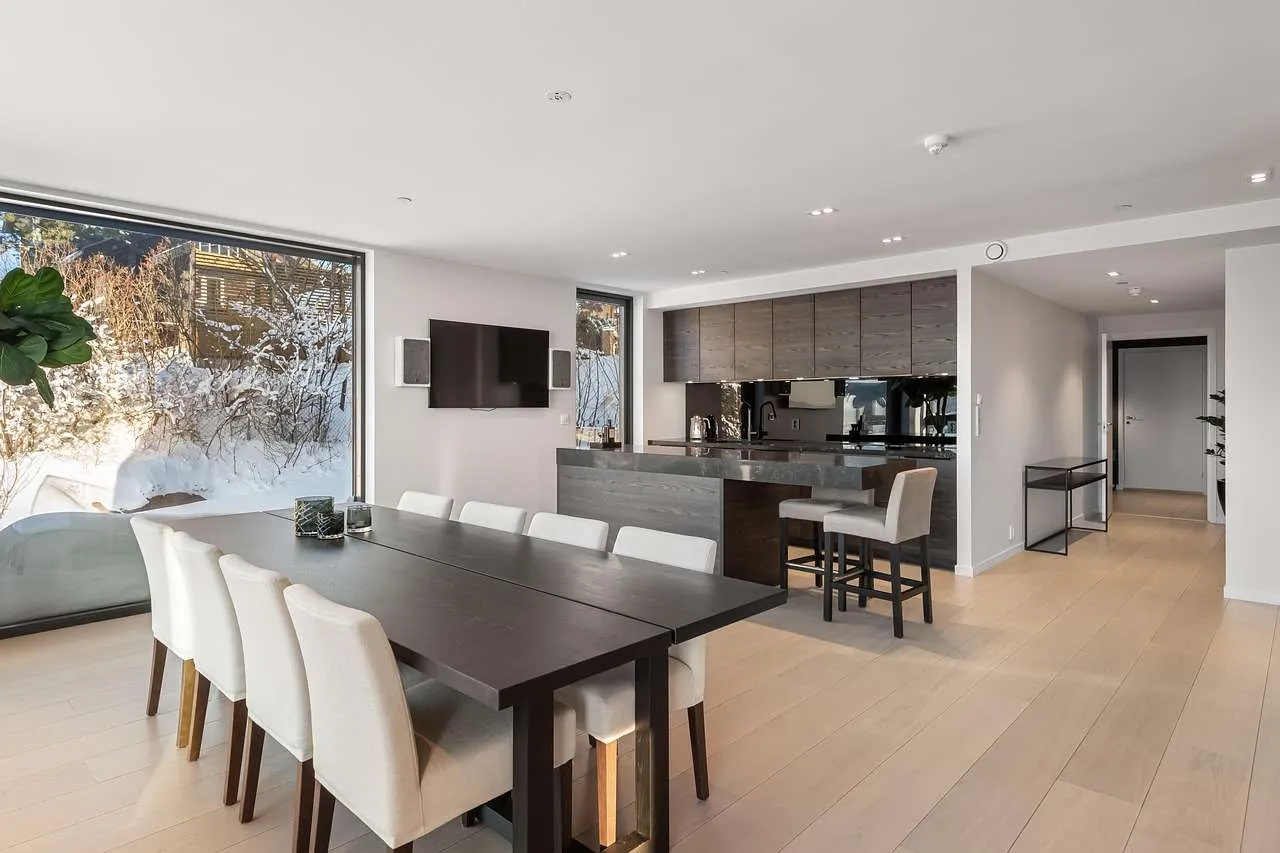
Home window tinting is a practical upgrade for houses seeking improved comfort, energy efficiency, and privacy. By applying a thin film to interior or exterior glass, homeowners can reduce heat gain, block UV rays, and control glare without sacrificing natural light.
What is home window tinting?
Window tinting uses a thin film adhered to the interior surface of glass. Modern films are designed to maintain color fidelity and reduce the amount of heat and UV that enters a living space. Benefits include lower cooling costs, less glare on screens and furniture, and enhanced privacy on ground level windows.
Types of tint films for homes
Home tinting films come in several formulations, each with its own tradeoffs. Choosing the right type depends on budget, climate, and the level of privacy you want to achieve. Below is a quick overview of the main options.
| Film Type | Key Benefits | Drawbacks | Best For |
|---|---|---|---|
| Dyed | Affordable privacy and glare control | Color can fade over time; moderate durability | Budget upgrades and general glare reduction |
| Metalized | Excellent heat rejection; added strength | Possible interference with some electronics; visible sheen | Energy-focused rooms with many electronics |
| Ceramic | Premium heat rejection; high clarity; strong UV protection | Higher cost | Homes needing strong performance without a dark look |
| Nano-ceramic / Advanced ceramic | Top durability; best color stability; clear appearance | Highest cost | Premium renovations and long-term value |
Choosing the right tint level
Visible Light Transmission (VLT) indicates how much light passes through the film. For living rooms and kitchens, many homeowners select a 30 to 60 percent VLT to balance daylight with heat control. For sun-facing facades or bedrooms, 20 to 40 percent VLT can provide privacy while preserving view. Note that local regulations may limit the allowed tint on windows facing streets or the front of a dwelling; always verify the legal requirements before installation.
Energy savings and UV protection
Quality window films can reduce heat gain by a meaningful margin, often in the 20-50 percent range depending on the film and window type. They cut ultraviolet exposure by up to 99 percent, protecting furnishings and reducing skin exposure risk. The result is a more comfortable interior and slower fading of fabrics and wood finishes. Actual performance is influenced by window type (single vs double glazing) and climate. In colder climates, some films can reflect infrared heat outward in summer while preserving interior warmth in winter.
Installation: DIY vs professional
Installing film on large or multi-pane windows is best left to trained technicians. A pro ensures proper measurement, alignment, and bubble-free application. They also handle edge sealing, warranty registration, and potential warranty transfers with the film manufacturer. DIY kits exist, but incorrect installation can cause peeling, hazing, or reduced performance and may void warranties. For a typical home, budget 0.50 to 2.50 dollars per square foot for professional installation plus material cost; large homes may vary. A qualified installer also helps ensure the chosen film complies with local regulations and warranty terms.
Maintenance and warranties
Maintenance is simple: clean with a soft cloth and a non-ammonia, non-abrasive cleaner. Avoid rough scrubbing that can scratch the film. Most reputable films include a labor warranty (covering installation defects) and a manufacturer warranty lasting 5 to 20 years, depending on the film and usage. Choose an installer with IWFA guidance and a solid warranty to protect your investment.
Note on warranties: a third-party warranty or a manufacturer-provided warranty may require professional installation and proper aftercare to remain valid. For peace of mind, confirm warranty specifics and the process for claims before committing.
Cost considerations
Costs vary by film type, size of windows, and local labor rates. Typical professional installation ranges from 5 to 15 dollars per square foot for common residential films, with premium ceramic or nano-ceramic options closer to 15–25 dollars per square foot. Consider the long-term energy savings and the potential protection from UV fading when evaluating value. Request quotes from multiple, IWFA-certified installers to compare product lines and warranties.
Comparison of film types
| Dyed | Low cost; good glare reduction | Lower durability |
| Metalized | Great heat rejection | Possible device interference |
| Ceramic | Excellent all-around performance | Higher cost |
| Nano-ceramic | Best clarity and durability | Premium price |
Final notes: for reliable results, work with a licensed installer and verify warranties, certifications, and legal requirements in your area. An informed choice can deliver comfort, energy savings, and longer-lasting interior aesthetics.
Summary, home window tinting offers meaningful energy savings, UV protection, glare control, and privacy when selected and installed by a qualified professional. By understanding film types, appropriate tint levels, and warranty considerations, homeowners can achieve durable comfort and long-term value.